Physical object
Identify the product, carton, container or asset requiring smart-label identification.
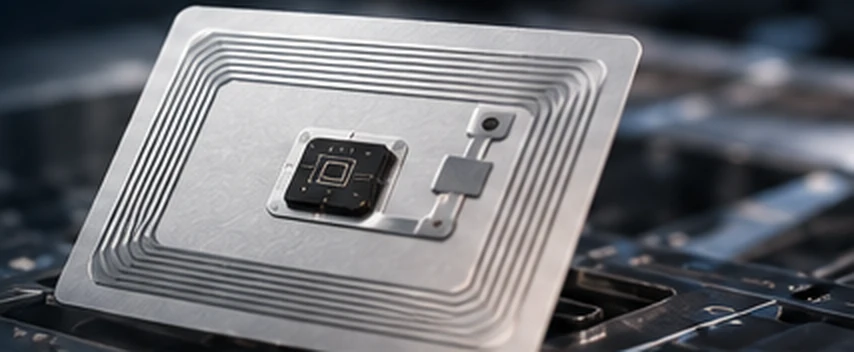
RFID smart-label directions for projects requiring item identification, inventory visibility or logistics tracking within a defined read and system environment.
Project-defined code
Test conditions matter
Customer workflow
Application evaluated
A smart-label project should begin with the object, surface material, reading environment and customer system requirement - not with a generic performance claim.
Chip, inlay, encoding, read distance and system integration scope should be confirmed for the intended application.
Identify the product, carton, container or asset requiring smart-label identification.
Clarify material environment, scanning use and operational constraints.
Confirm inventory, logistics, authentication or customer-defined workflow needs.
These visual directions show the types of environments that require project evaluation before a final RFID label solution is defined.

Identification direction for organised storage and operational handling.
Assess label position and reading conditions for the intended workflow.
Smart-label direction for defined container or shipment processes.
RFID standards and digital workflows should be confirmed with the customer's required data and operating environment.
Submit RFID BriefProvide object, package surface, position and identification objective.
Discuss reading conditions and operational expectations.
Confirm suitable smart-label direction and sample requirement.
Agree production and any defined data or encoding responsibility.
Provide package type, reading environment, workflow purpose and expected quantity.